
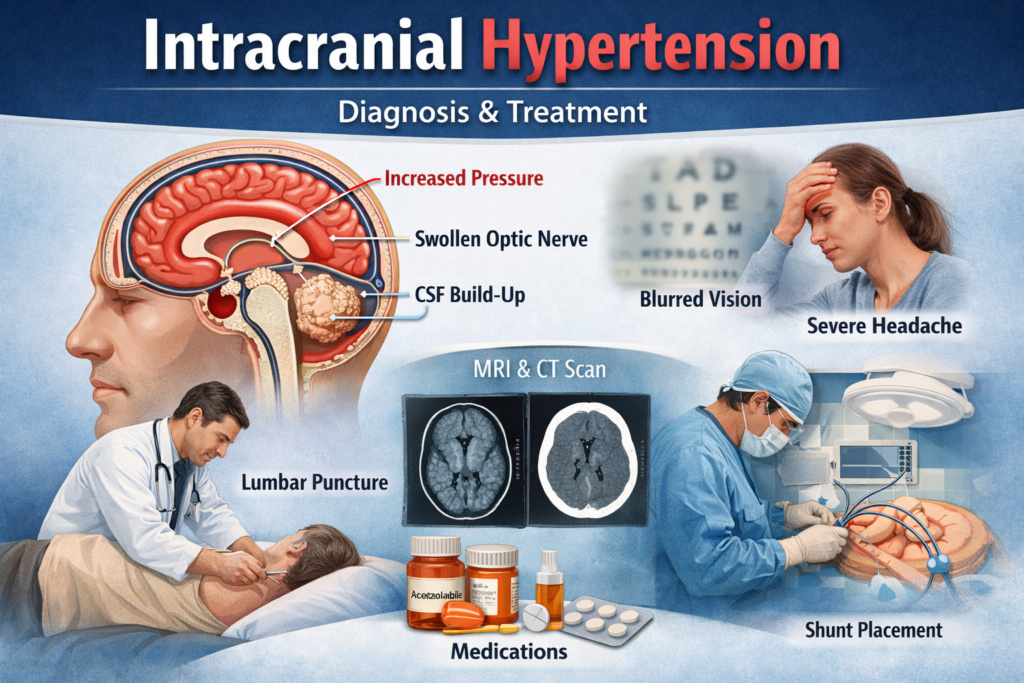
Intracranial hypertension is a serious neurological condition characterized by increased pressure inside the skull. This pressure can affect brain function, damage the optic nerves, and, if left untreated, may lead to permanent vision loss or life-threatening complications.Understanding the symptoms and seeking timely treatment at a specialized stroke centre can significantly improve outcomes and prevent long-term damage.
What Is Intracranial Hypertension?
Intracranial Hypertension occurs when the pressure within the skull rises beyond normal levels. The skull is a closed structure containing the brain, blood, and cerebrospinal fluid (CSF). Any increase in these components can lead to elevated pressure.A common subtype is Idiopathic Intracranial Hypertension (IIH), where the exact cause remains unknown.
Causes of Intracranial Hypertension
Intracranial hypertension can develop due to various underlying conditions:
Brain-Related Causes
- Brain tumors
- Brain swelling (edema)
- Head injury or trauma
- Brain hemorrhage
Fluid Imbalance
- Excess cerebrospinal fluid production
- Blockage in CSF drainage pathways
Blood Flow Disorders
- Venous sinus thrombosis
- Impaired blood drainage from the brain
Idiopathic Causes
In cases of IIH, no specific cause is identified, but it is often associated with obesity and hormonal factors.
Symptoms of Intracranial Hypertension
Common Symptoms
- Persistent headaches (often worse in the morning)
- Nausea and vomiting
- Blurred or double vision
- Ringing in the ears (pulsatile tinnitus)
Advanced Symptoms
- Vision loss
- Peripheral vision problems
- Difficulty concentrating
- Seizures in severe cases
Complications of Intracranial Hypertension
If not treated promptly, intracranial hypertension can lead to serious complications such as:
- Permanent optic nerve damage
- Loss of vision
- Reduced brain oxygen supply
- Increased risk of Brain Stroke
Early diagnosis and intervention are crucial to prevent these outcomes.
Diagnosis of Intracranial Hypertension
Accurate diagnosis involves a combination of clinical evaluation and advanced imaging techniques.
1.Imaging Tests
- MRI (Magnetic Resonance Imaging)
- CT Scan
2.Eye Examination : Doctors check for papilledema, a swelling of the optic nerve caused by increased pressure.
3.Lumbar Puncture : A spinal tap is performed to measure cerebrospinal fluid pressure and confirm the diagnosis.
Treatment Options for Intracranial Hypertension
Treatment depends on the severity and underlying cause of the condition.
Medications
- Diuretics such as Acetazolamide to reduce CSF production
- Pain relief medications for headache management
Lifestyle Modifications
- Weight loss (especially in IIH patients)
- Reduced salt intake
- Regular monitoring
Surgical Treatment
- Shunt placement to drain excess fluid
- Optic nerve sheath fenestration to prevent vision loss
Importance of Early Treatment at a Stroke Centre
Seeking care at a specialized stroke centre ensures:
- Early and accurate diagnosis
- Access to advanced imaging technologies
- Expert neurological care
- Prevention of complications such as stroke
Timely treatment significantly improves patient outcomes and reduces the risk of long-term damage.
When to See a Doctor
You should seek immediate medical attention if you experience:
- Severe or persistent headaches
- Sudden vision changes
- Repeated vomiting
- Confusion or neurological symptoms
Prompt evaluation can help prevent serious complications.
Conclusion
Intracranial hypertension is a potentially serious condition that requires early diagnosis and proper management. With timely treatment, lifestyle changes, and expert care at a brain stroke centre, patients can effectively manage symptoms and prevent complications.
Under the guidance of an experienced brain stroke physician like Dr. Nishant, patients receive advanced diagnosis and personalized treatment plans focused on protecting brain health and reducing the risk of stroke.
If you notice warning signs, seek care immediately at a specialized brain stroke centre to ensure the best possible outcomes.