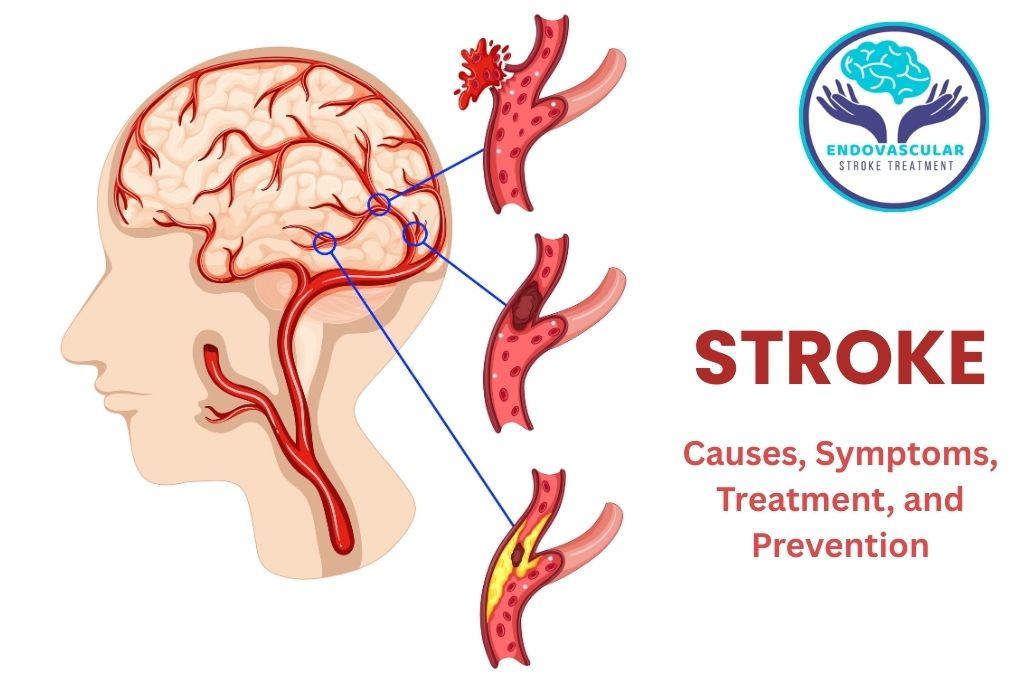
A stroke is a medical emergency that occurs when blood flow to a part of the brain is interrupted or significantly reduced, depriving brain cells of oxygen and nutrients. Without prompt treatment, brain cells begin to die within minutes, which can lead to permanent disability or death. It is one of the leading causes of death and long-term disability in India. Early recognition, rapid hospital care, and advanced treatment can save lives and improve recovery outcomes.
What Is a Stroke?
The brain requires a continuous supply of oxygen-rich blood to function properly. A stroke occurs when the blood supply to the brain is blocked or when a blood vessel in the brain ruptures. As a result, affected brain cells are damaged or destroyed, leading to neurological symptoms. It can affect movement, speech, vision, memory, and other vital functions depending on the area of the brain involved.
Types of Stroke
1. Ischemic Stroke
Ischemic stroke is the most common type and occurs when a blood clot blocks an artery supplying the brain. Causes include:
- Narrowing of arteries due to cholesterol buildup (atherosclerosis)
- Blood clots traveling from the heart or major blood vessels
2. Hemorrhagic Stroke
A hemorrhagic stroke happens when a blood vessel in the brain ruptures and bleeds. Common causes include:
- Uncontrolled high blood pressure
- Ruptured brain aneurysm
- Arteriovenous malformation (AVM)
3. Transient Ischemic Attack (TIA)
Often called a mini-stroke, TIA causes temporary stroke-like symptoms that resolve within minutes or hours. Although symptoms improve, a TIA is a serious warning sign of an impending major stroke.
Common Symptoms of Stroke
Stroke symptoms usually appear suddenly and may include:
- Weakness or numbness of the face, arm, or leg (especially on one side)
- Difficulty speaking or understanding speech
- Sudden vision problems in one or both eyes
- Loss of balance, dizziness, or difficulty walking
- Severe headache with no known cause
FAST Warning Signs
- F – Face drooping
- A – Arm weakness
- S – Speech difficulty
- T – Time to seek emergency care
If any of these signs are present, immediate medical attention is critical.
Causes and Risk Factors
Several conditions increase the risk of stroke:
- High blood pressure (hypertension)
- Diabetes
- High cholesterol
- Smoking and tobacco use
- Heart diseases such as atrial fibrillation
- Obesity and physical inactivity
- Excessive alcohol consumption
- Family history of stroke
Diagnosis of Stroke
Rapid diagnosis is essential to guide treatment. Tests may include:
- CT scan to detect bleeding
- MRI scan to identify brain damage
- CT or MR angiography to assess blood vessels
- Blood tests and cardiac evaluation
Modern Stroke Treatment Options
Emergency Treatment: Stroke treatment depends on the type of stroke and how quickly the patient reaches the hospital.
Clot-Busting Therapy (Thrombolysis): For ischemic stroke, clot-dissolving medication may be given within a specific time window to restore blood flow.
Mechanical Thrombectomy: A minimally invasive procedure in which a catheter is used to remove large blood clots from the brain arteries. It is highly effective in selected patients.
Treatment for Hemorrhagic Stroke: Focuses on controlling bleeding, reducing pressure in the brain, and treating the underlying cause, such as an aneurysm or AVM.
Rehabilitation After Stroke
Recovery does not end after emergency treatment. Stroke rehabilitation plays a crucial role and may include:
- Physiotherapy for movement and strength
- Speech and language therapy
- Occupational therapy for daily activities
- Psychological support
Early and continuous rehabilitation improves long-term independence.
Stroke Prevention
Many strokes are preventable through lifestyle changes and medical care:
- Control blood pressure, diabetes, and cholesterol
- Quit smoking and avoid tobacco
- Maintain a healthy diet and regular exercise
- Limit alcohol intake
- Take prescribed medications regularly
Regular health check-ups are essential for individuals at high risk.
Conclusion
A stroke is a life-threatening condition that requires immediate medical attention. Recognizing symptoms early and seeking treatment at a brain stroke center can significantly reduce disability and save lives.
Advances in stroke care, including thrombolysis, mechanical thrombectomy, and neurointerventional procedures, have transformed outcomes for many patients. With awareness, prevention, and expert care, it can be effectively treated and, in many cases, prevented.
Get Expert Stroke Care in India
If you or a loved one experiences symptoms of stroke, do not delay medical attention. Early diagnosis and timely treatment at a specialized stroke center can be life-saving and significantly improve recovery outcomes.
For more information about stroke treatment, advanced procedures, and rehabilitation options in India, consult our brain stroke physician today.