How Blood Clots in the Brain Develop and Cause Stroke
A blood clot in the brain is one of the most common causes of an ischemic stroke, a condition that occurs when blood flow to part of the brain becomes blocked. As a result, brain cells may be deprived of oxygen and nutrients and can begin to die within minutes, making early diagnosis and treatment critical.
Understanding what causes blood clots in the brain can help patients recognize risk factors, seek timely medical care, and take steps to reduce their risk of stroke.
What Is a Blood Clot in the Brain?
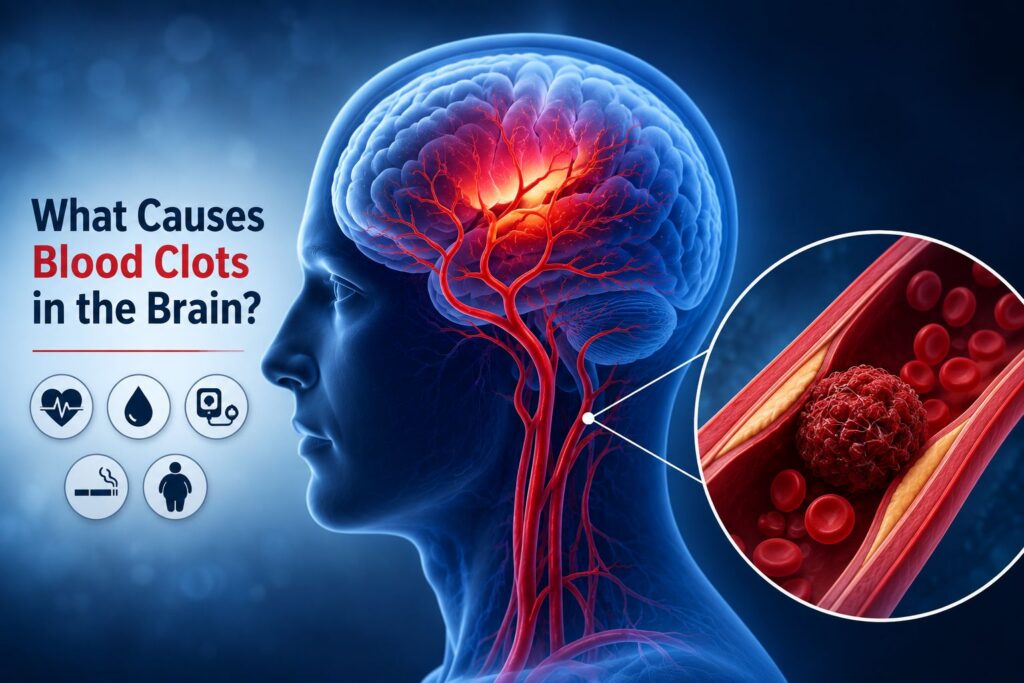
A blood clot forms when blood changes from a liquid to a gel-like state. While clotting is a normal process that helps stop bleeding after an injury, clots can become dangerous when they form inside blood vessels or travel to the arteries supplying the brain.
When a clot blocks a brain artery, it interrupts blood flow and may eventually lead to an acute ischemic stroke that requires urgent medical treatment.
Common Causes of Blood Clots in the Brain
1. Atherosclerosis (Narrowing of Brain Arteries)
One of the most common causes of brain blood clots is atherosclerosis, a condition in which cholesterol and fatty deposits build up inside artery walls.
Over time, these plaques can:
- Narrow blood vessels
- Reduce blood flow
- Rupture and trigger clot formation
Severe artery narrowing significantly increases the risk of ischemic stroke.
2. Heart Conditions
Certain heart disorders can increase the likelihood of clot formation.
These include:
- Atrial fibrillation (irregular heartbeat)
- Heart valve disease
- Recent heart attack
- Heart failure
Clots that form in the heart can travel through the bloodstream and become lodged in a brain artery, causing a stroke.
3. High Blood Pressure
Uncontrolled high blood pressure can damage blood vessel walls and accelerate atherosclerosis. It is one of the most important stroke risk factors and can contribute to both clot-related strokes and brain hemorrhage.
4. Diabetes
Diabetes damages blood vessels throughout the body and increases the risk of clot formation. People with diabetes are more likely to develop artery narrowing and other conditions that can reduce blood flow to the brain.
5. Smoking
Smoking damages blood vessels, promotes inflammation, and increases blood clotting tendencies. Smokers face a significantly higher risk of stroke compared to non-smokers.
6. High Cholesterol
Elevated cholesterol levels contribute to plaque buildup inside arteries. As plaque accumulates, the risk of artery blockage and clot formation increases.
7. Obesity and Physical Inactivity
Being overweight and physically inactive can increase the risk of:
- High blood pressure
- Diabetes
- High cholesterol
- Cardiovascular disease
All of these conditions can contribute to blood clot formation and stroke.
Can Young Adults Develop Blood Clots in the Brain?
Yes. Although stroke is more common in older adults, younger individuals can also develop blood clots in the brain.
Possible causes include:
- Genetic clotting disorders
- Autoimmune diseases
- Certain heart abnormalities
- Smoking
- Substance abuse
- Severe dehydration
Stroke in younger adults is becoming increasingly recognized and should never be overlooked.
Symptoms of a Blood Clot in the Brain
Symptoms often appear suddenly and may include:
- Weakness on one side of the body
- Facial drooping
- Slurred speech
- Difficulty understanding speech
- Sudden vision changes
- Loss of balance
- Severe dizziness
- Sudden confusion
These symptoms should be treated as a medical emergency as they may indicate a stroke.
How Are Blood Clots in the Brain Diagnosed?
Doctors use advanced imaging studies to identify the location and severity of a blockage.
Common tests include:
- CT Scan
- MRI Brain
- CT Angiography
- MR Angiography
- Cerebral Angiography
Detailed vascular imaging helps specialists determine the most appropriate treatment plan and accurately identify blocked brain arteries.
How Are Blood Clots in the Brain Treated?
Treatment depends on the size, location, and severity of the blockage.
Options may include:
Clot-Busting Medication
In selected patients, medications may be used to dissolve the clot and restore blood flow.
Mechanical Thrombectomy
For large artery blockages, mechanical thrombectomy may be performed to remove the clot and restore circulation to the brain. This minimally invasive procedure has become a major advancement in modern stroke care.
Long-Term Stroke Prevention
After treatment, doctors may recommend:
- Blood-thinning medications
- Cholesterol-lowering therapy
- Blood pressure control
- Lifestyle modifications
- Regular follow-up care
Can Blood Clots in the Brain Be Prevented?
While not all strokes can be prevented, the risk can often be reduced by:
- Controlling blood pressure
- Managing diabetes
- Quitting smoking
- Maintaining healthy cholesterol levels
- Exercising regularly
- Following a healthy diet
- Taking prescribed medications as directed
Regular medical checkups can help identify stroke risk factors before complications occur.
When Should You Seek Emergency Medical Care?
Seek immediate medical attention if you experience:
- Sudden weakness or numbness
- Facial drooping
- Difficulty speaking
- Sudden vision loss
- Severe dizziness
- Loss of coordination
Prompt treatment can help restore blood flow, reduce brain damage, and improve recovery outcomes.
Summary
Blood clots in the brain are a leading cause of ischemic stroke and can result from conditions such as high blood pressure, diabetes, heart disease, smoking, and artery narrowing. Recognizing symptoms early and seeking immediate medical attention can make a significant difference in treatment outcomes. With advances in stroke care, including mechanical thrombectomy and specialized neurovascular treatment, many patients can achieve better recovery when treatment is provided quickly.
Blood clots in the brain can develop due to conditions such as high blood pressure, atherosclerosis (narrowing of the arteries), atrial fibrillation, diabetes, high cholesterol, smoking, and certain blood-clotting disorders. These factors can increase the risk of blockage in the arteries supplying the brain.
Yes. A blood clot that blocks blood flow to part of the brain can cause an ischemic stroke. This is the most common type of stroke and requires immediate medical attention to restore blood flow and minimize brain damage.
In some cases, doctors may use clot-dissolving medications if they start treatment quickly after symptoms begin. For larger blockages, medical professionals may recommend minimally invasive procedures such as mechanical thrombectomy to remove the clot and restore blood flow.
Yes. Although stroke is more common in older adults, younger people can also develop blood clots due to genetic clotting disorders, heart conditions, autoimmune diseases, smoking, substance abuse, or other underlying health issues.
Doctors may use imaging tests such as CT scans, MRI scans, CT angiography, MR angiography, and cerebral angiography to identify the location and severity of the blockage and determine the most appropriate treatment.
Many risk factors can be managed through lifestyle changes and medical treatment. Controlling blood pressure, managing diabetes, maintaining healthy cholesterol levels, avoiding smoking, exercising regularly, and following medical advice can help reduce the risk of developing blood clots and stroke.